Festivity
in a Distinctive Setting
Whatever time of year you’re in Iceland, there’ll be something going on that will take your fancy. Sometimes it’s a familiar festivity in a distinctive Icelandic setting, and sometimes it’s a charming local custom that will grab your imagination. Then there are regular cultural and leisure events, indoors and outside, to keep you entertained and busy for the whole of your stay. Check out these regular features on the Icelandic calendar (dates are for 2005):
January–May
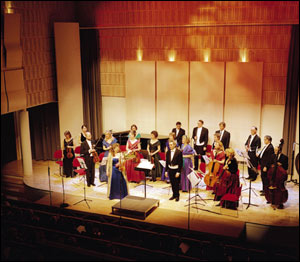
Cultural season. Music, art and theater scene in full swing with programs for all interest groups.
 Jan. 21–Feb. 20
Midwinter feast (Thorrablot). An ancient Viking tradition – feasting on “delicacies” such as boiled sheep head and rotten shark meat as well as more edible goodies. Be brave just once a year.
February 7–9
Bursting time. Fill up before Lent, with all the cream buns you can eat on “Bun Monday” and oversized helpings of salted meat and mushy peas on “Bursting Tuesday.” Then on Ash Wednesday, watch the children dressed up in the streets, singing and playing pranks.
February 17–20
Winter Lights Festival in Reykjavik. Dedicated to the theme of light and energy, an exciting public festival celebrating both winter and the growing light after a long period of darkness.
February 25–28
Food and Fun. An annual food festival featuring wellknown visiting chefs competing right along with Iceland’s finest culinary masters. The festival is also a chance for restaurants to strut their stuff. A delight for the taste buds.
 March 1
Beer Day. Beer was only legalized in Iceland in 1989 and people celebrate the big day in suitable style on the anniversary every year.
March 24–28
Easter. One of the peaks of the musical year, with diverse concert programs. Plus chocolate eggs of huge proportions, smoked lamb and a time for families to relax together. The skiing season peaks.
April–September
Trout fishing season in lakes and rivers around the country.
April 21
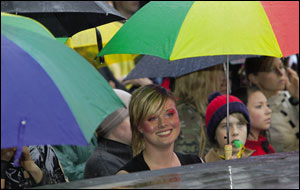
First Day of Summer. Icelanders welcome the end of winter and start of summer – a national holiday – with colorful parades and entertainment in the streets.
April–October
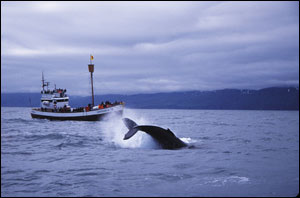
Whale watching season. With thousands of whales just off its shores, Iceland offers more chances of sightings than just about anywhere else in the world.
 May
May
Bird time. Puffins, Arctic terns and rarer migrant birds zoom in from the south, bringing summer with them.
May–June
The annual Reykjavik Arts Festival will be held May 14– June 5: varied program of cultural events with leading Icelandic and visiting artists. See www.listahatid.is
June–August
Marathon time. Fresh air and scenery that’ll take your breath away, including: Myvatn Midnight Sun Marathon (north Iceland, June 20); Highland Marathon (55 km of uninhabited landscapes between Landmannalaugar and Thorsmork nature reserves, south highlands); and Reykjavik International Marathon (several distances around the city, August 20).
May–September
Salmon fishing season. Clean air and rivers make Iceland one of the best places in the world for anglers. Make sure to book your rods well in advance.
June
Festival of the Sea. Based on the old Icelandic tradition of Seamen’s Day, June 6, 2005, the festival runs the first weekend of June and honors those who make their living from the sea. However, the festival has been modernized of late. It now includes numerous cultural activities, parades, arts and crafts activities for kids, food fairs and sailing competitions. New residents of Iceland are given the opportunity to share their unique cultures.
June 17
National Day. Icelanders take to the streets to celebrate independence (since 1944). Colorful ceremonies followed by parades, street theater, sideshows and outdoor dancing in the midnight sun, all over the country.
June 21
 Summer solstice. Gatherings to celebrate the magic of the midnight sun on the longest day of the year.
June 23–26
Arctic Open International Golf Tournament. In Akureyri, just south of the Arctic Circle, tee off at midnight in bright sunshine and play through the night in a marvelous natural setting. Open midnight sun tournaments are also held in Reykjavik and the Westman Islands (Vestmannaeyjar) see www.golf.is
July 22–24
Reykholt Music Festival. “Classical music in a classic environment” in the beautiful church in the west Iceland community which was once the home of saga writer Snorri Sturluson.
July 29–August 1
Bank Holiday weekend. On the first weekend in August, almost everyone goes off to camp at festivals around the country – everything from family events to wild rock festivals.
August
Flight of the Puffling. A sight not to be missed in the Westman Islands (Vestmannaeyjar) off the south coast, when millions of baby puffins leave their nests and take wing for the first time.
August 6–7
Gay pride. Gays and lesbians come out in force and style to parade and party in Reykjavik.
August 20
Reykjavik Cultural Night. To mark Reykjavik’s anniversary on August 16, bookstores, museums and galleries stay open into the Saturday night nearest that date; artistic events are staged in the streets and at cafes, bars, and restaurants all over the capital, culminating in a massive fireworks display.
September–December
Cultural season and Festivals. Concerts, opera, ballet, drama, visual arts – you name it, it’ll be on the season’s agenda somewhere in Reykjavik. Every year Reykjavik also hosts a Jazz Festival (Oct. 1–3 in 2005) and a Film Festival – both of them international events with plenty of celebrated guests.
September
Sheep round-up. Colorful and lively time with plenty of song and merriment all around the countryside. Held at sorting-pens where farmers herd in the sheep they have rounded up from summer grazing in the wilds.
Christmas
Icelanders go in for Christmas in a big way, with 13 separate Santa Clauses who play pranks and sing in the beautifully illuminated streets. Check out the delicious Christmas buffets and traditional festive season delicacies such as smoked lamb, ptarmigan and reindeer.
December 31
New Year’s Eve goes off with a bang, with the biggest firework display you’ll probably ever see – everyone takes part. There are public bonfires and the merrymaking lasts right through to the following year.